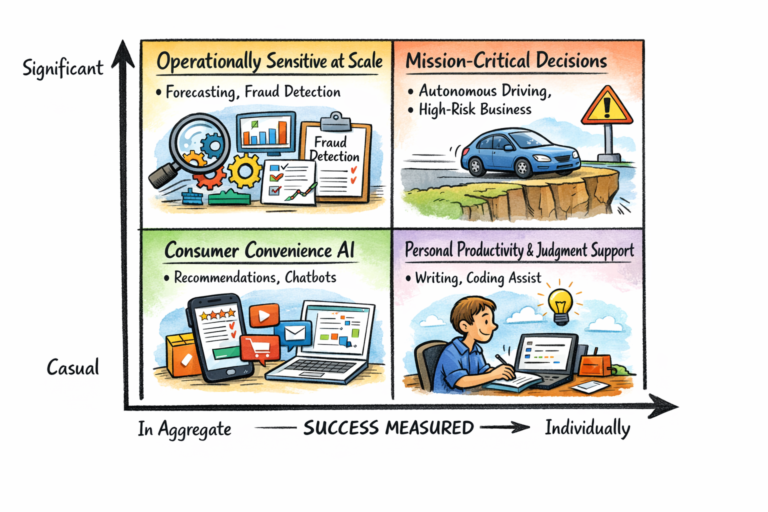
The AI Dilemma: The Anthropic-Pentagon Clash

Historically, massive technological breakthroughs—like nuclear weapons, the internet, and satellite reconnaissance—stemmed from deep partnerships between the U.S. government and the scientific community during wartime. Today, however, the landscape has drastically shifted: the AI revolution is largely driven by private companies that have turned inward to focus on consumer apps, social media, and online advertising.
This widening gap between private tech and the state recently erupted into a historic standoff. In late February 2026, Defense Secretary Pete Hegseth demanded that Anthropic allow unrestricted “lawful use” of its Claude AI models by the military. Anthropic CEO Dario Amodei refused, holding firm on two “red lines”: the company’s AI could not be used for mass domestic surveillance or for fully autonomous weapons systems. In response, President Donald Trump banned federal agencies from using Anthropic, and the Pentagon labeled the U.S. company a “supply chain risk”.
This dispute perfectly captures the tension surrounding “sovereignty AI.” In his book The Technological Republic, Palantir CEO Alexander Karp argues that Silicon Valley has dangerously lost its way by abandoning its defense obligations. Karp warns that the “atomic age” of deterrence is ending, and the decisive wars of the future will be fought and won using AI and software. To strengthen the nation against adversaries, Karp insists the West must urgently launch a “new Manhattan Project” to maintain exclusive control over sophisticated battlefield AI. With rivals like OpenAI immediately stepping in to absorb the defense contracts Anthropic lost, this recent clash will likely accelerate the government’s push for compliant military AI partners.
Yet, the ethical dilemma Anthropic highlights is profound. We have already witnessed the dangers of AI being exploited for surveillance; fears of mass surveillance and unconstitutional targeting previously pushed companies like Amazon and IBM to abandon facial recognition tools. Additionally, Karp notes that contemporary tech culture is intensely focused on policing language and avoiding offense, which has restricted authentic freedom of speech and intellectual courage.
Ultimately, humanity is at a crossroads, forced to balance geopolitical dominance against the protection of civil liberties. We will only truly know the truth of these decisions as the consequences unfold in human history.