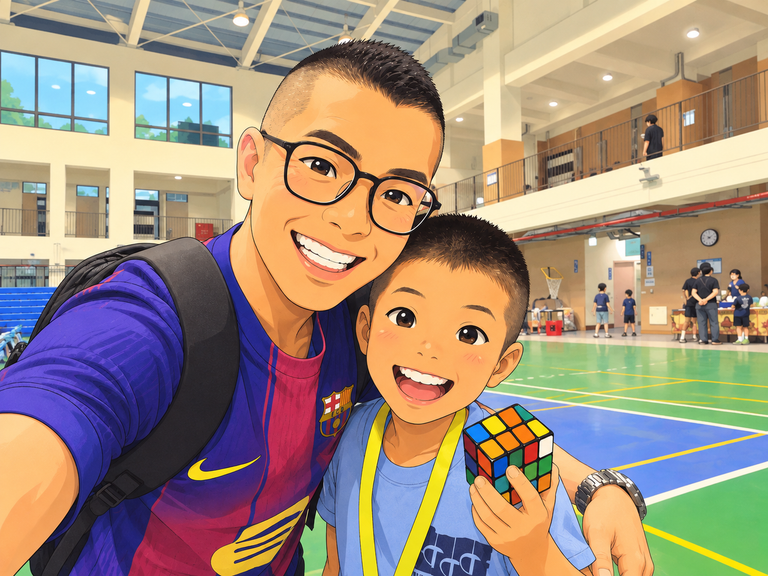
Thanksgiving and Christmas
I still remember my first year in the U.S. One of my lab mates was incredibly hardworking, and one day he asked what I planned to do over Thanksgiving. “Probably work in the lab,” I replied. He looked genuinely surprised. That moment made me realize how significant Thanksgiving is in the US—a time when people step away from work, no matter how demanding, to be with family.
A month later, Christmas reinforced that same cultural emphasis on rest. Years later, I can admit that I spent fourteen straight days in my dorm without going out, surviving on ramen while preparing for my PhD qualifying exam scheduled right after the Christmas break. My New Year’s “celebration,” despite being in New York, consisted of about five minutes of television before heading back to studying. Since then, Thanksgiving and Christmas have held a special place for me as moments to slow down, take time off, and reflect on the year’s hard work.
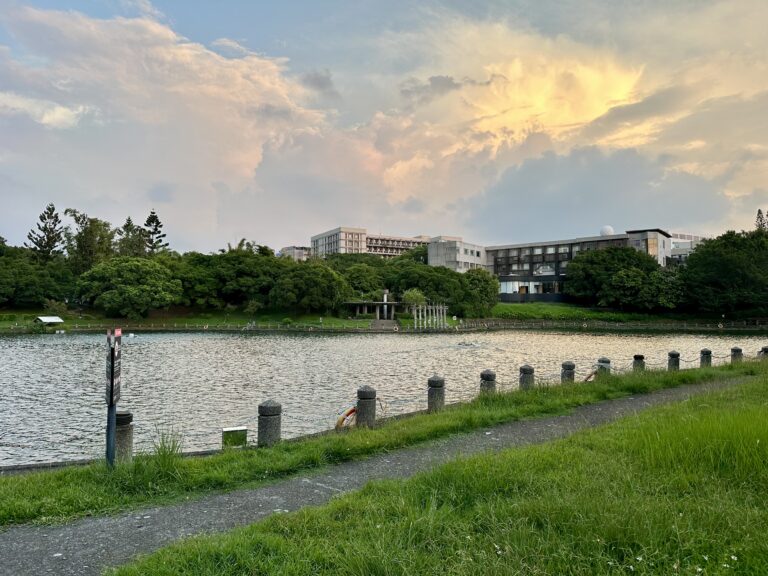
That rhythm changed when I moved to Taiwan. After Halloween, there’s no Thanksgiving—everything jumps straight to Christmas. No pumpkins in sight. While there are some Christmas decorations, the holiday structure is different. December 25 is a public holiday here, but it’s recognized as Taiwan Constitution Day rather than Christmas. On top of that, coming from the Pacific Northwest, the temperature contrast takes some getting used to—while the U.S. drops to 32°F or below, it’s often hovering around 70°F here.
There’s nothing to complain about—just another cultural adjustment. As with many Asian societies, the primary season for extended rest is Chinese New Year. After more than two decades in the U.S., this shift brings things full circle.
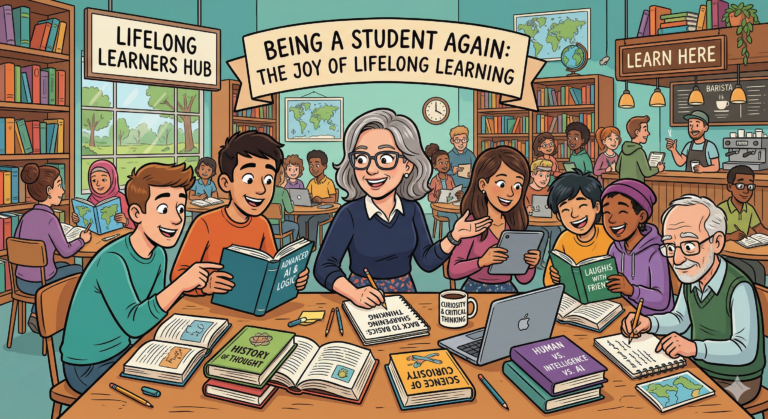
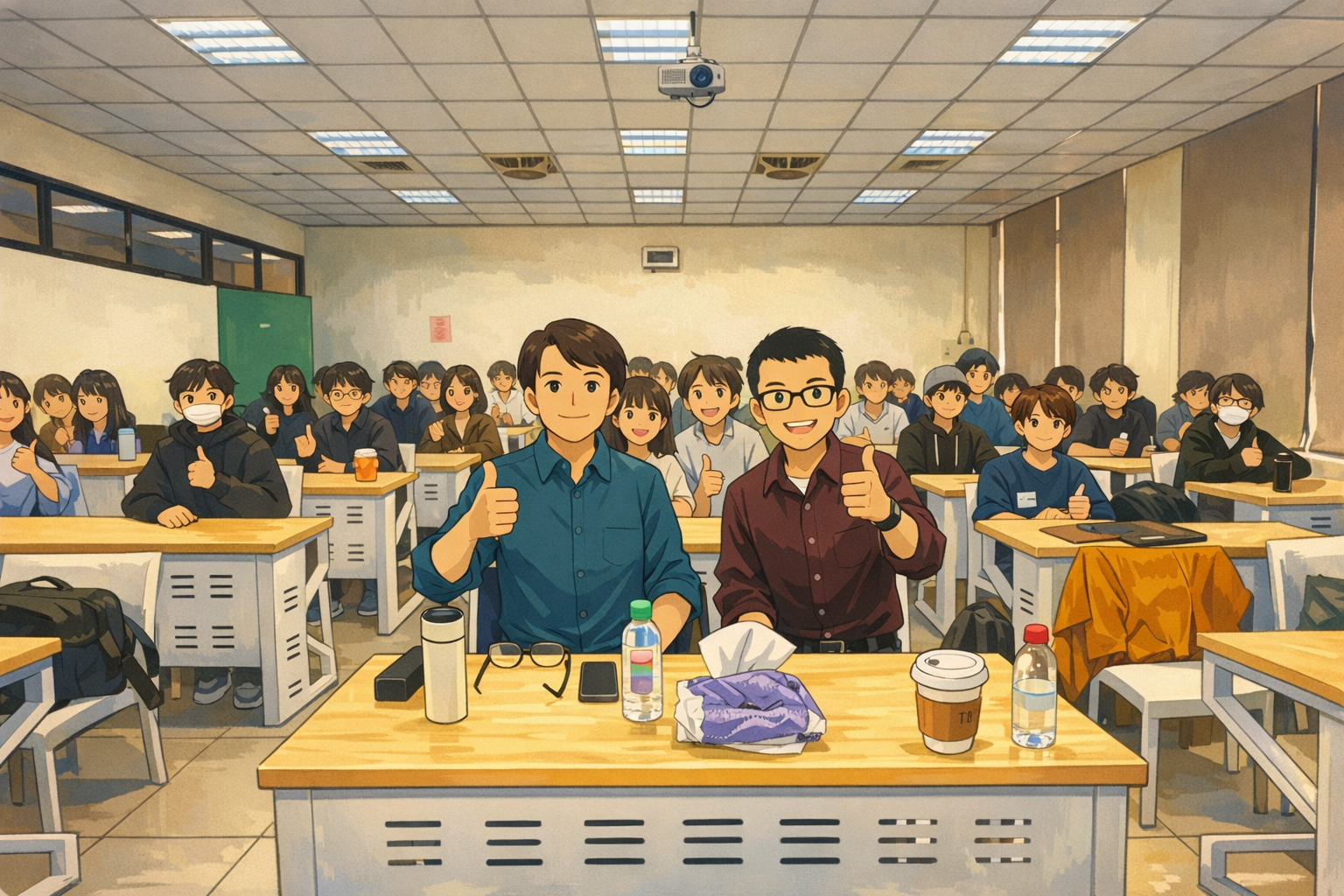
That said, reflection and gratitude don’t disappear. It’s still a season to be thankful and to give back. This week, I had the opportunity to share my experiences with students at NYCU. There was a brief moment of drama when my PowerPoint wouldn’t open. Improvising, I picked up a piece of chalk—an actual one—and delivered the talk by writing on the blackboard in a completely old-school way. It probably surprised both the host and the students, but in the end, it worked out well. I’m glad it turned into a moment that helped inspire the next generation.