Foldable Phones and AI?
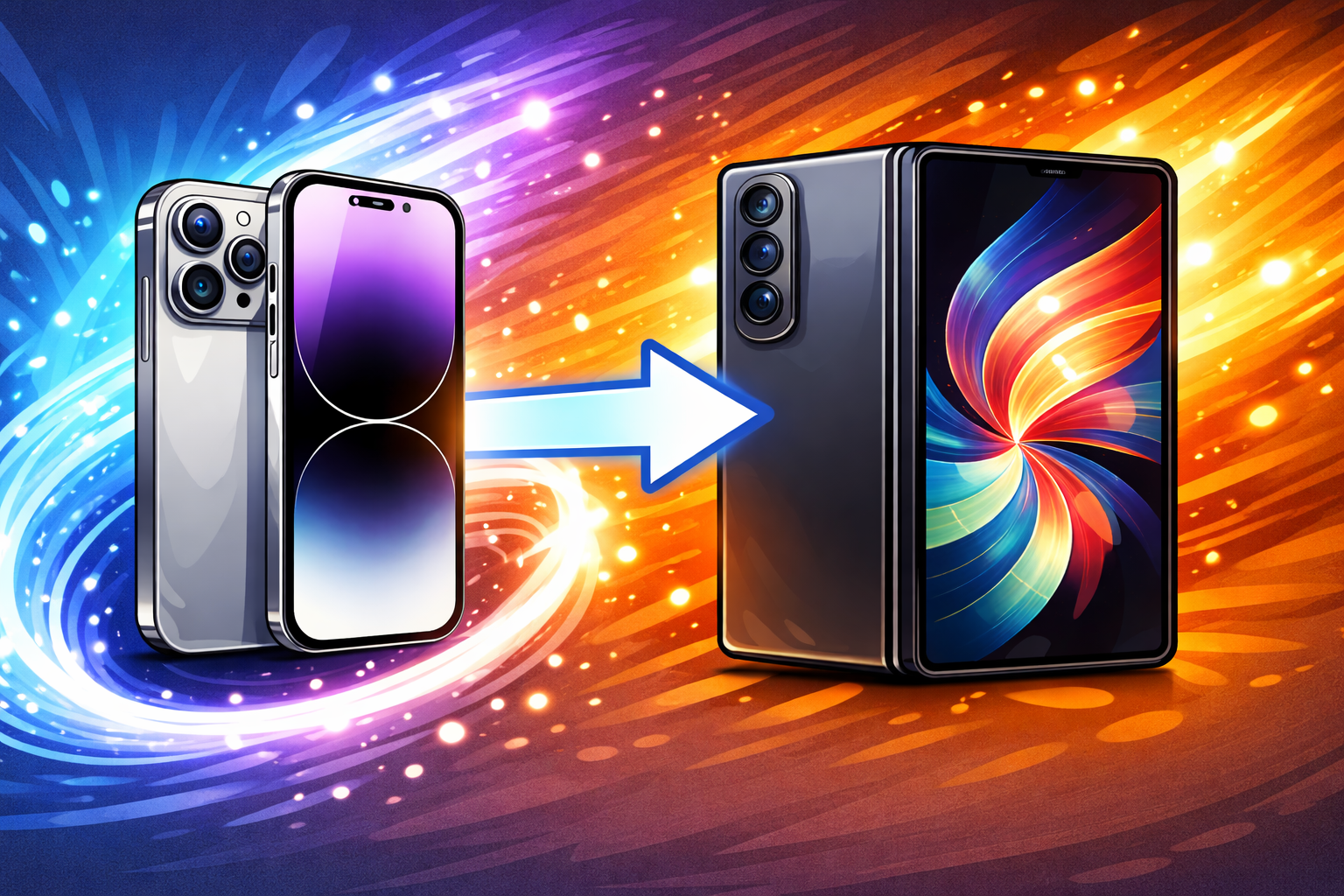
I’ve been an iPhone user for many years, largely because of its usability, reliability, and strong battery life. Over time, I experimented with a few Android devices for their camera capabilities and flexibility, but I typically returned to the Apple ecosystem for its seamless integration.
That changed in recent months when I transitioned to a foldable device.
Interestingly, the move was closely tied to AI. While Apple has introduced AI-related features, particularly around Siri, the overall integration has felt underwhelming. In contrast, the Android ecosystem—especially with Gemini embedded directly into the device—offers a much more capable and proactive assistant experience.
As someone leading AI initiatives professionally, I find it important to experiment with different AI applications and workflows firsthand. The traditional smartphone form factor is perfectly adequate for content consumption and basic communication. However, it becomes limiting for more meaningful AI use cases—multi-window workflows, document review, model experimentation, and iterative prompting. The expanded screen real estate of a foldable device materially changes that experience.
The transition did introduce some ecosystem friction. Photo sharing was the most noticeable disruption. That said, the camera performance on my foldable device has pleasantly surprised my family. The color rendering and lighting balance are, in many cases, superior to what I experienced previously—an unexpected but welcome benefit.
From a lifestyle perspective, the foldable format also aligns better with my daily routines in Asia. I used to carry a tablet when accompanying my children to various activities, but that setup felt increasingly cumbersome. Over time, I realized I needed something ultra-portable that still allowed for comfortable reading and light work. A foldable device effectively bridges the gap between phone and tablet without adding bulk.
I remain interested in seeing what Apple may eventually deliver in the foldable space. However, recent market performance may reflect broader questions around the pace of innovation. For now, the shift has been both practical and professionally insightful.